Description
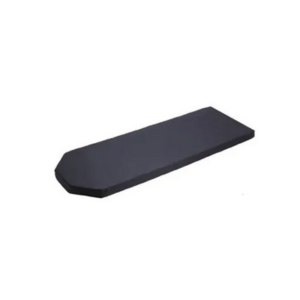
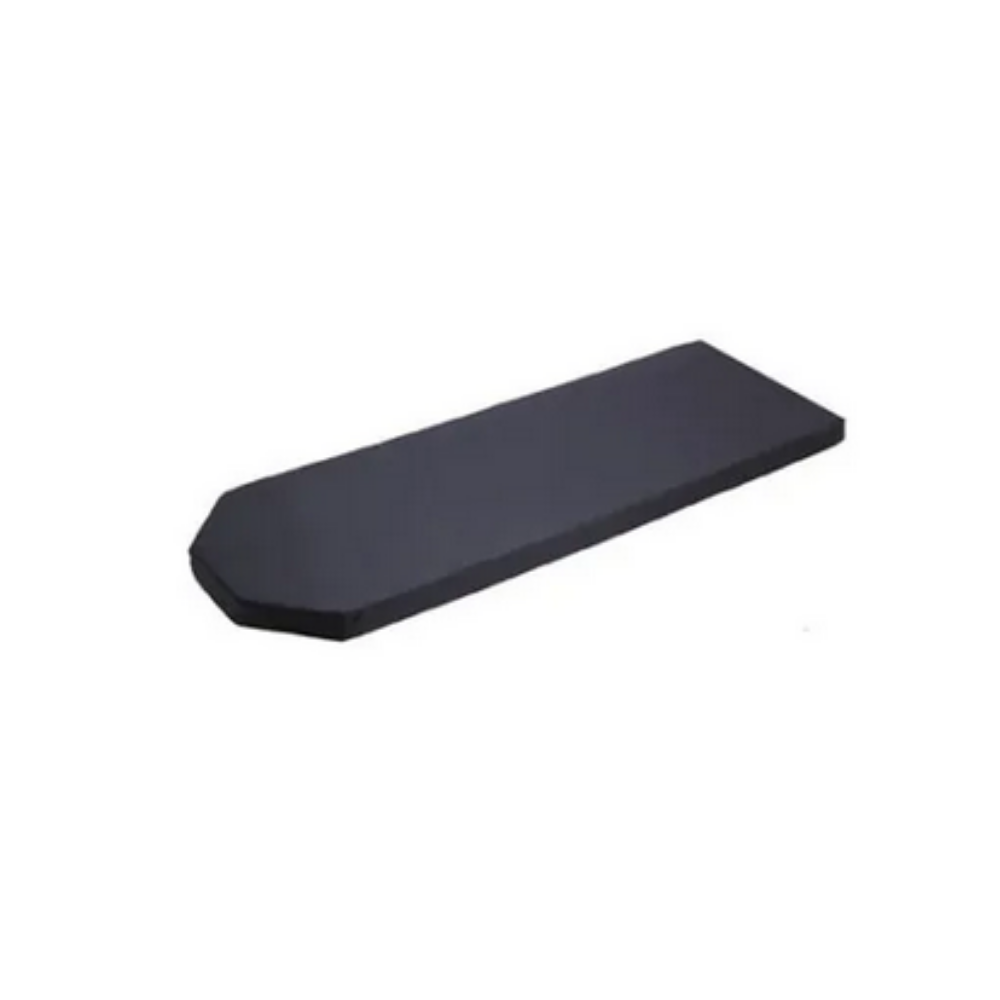
Stretcher Pad
The Stretcher Pad is a supportive, medical-grade cushioning surface designed to improve patient comfort and pressure distribution during transport, imaging prep, emergency response, and routine transfers. Built for use with standard ambulance and hospital stretchers, it adds a stable layer between the patient and the stretcher frame while helping reduce localized pressure points that can occur during prolonged immobilization. The pad’s low-profile design preserves stretcher height, rail clearance, and restraint function, making it suitable for both short moves and extended waiting periods in clinical workflows.
Its sealed, fluid-resistant cover is engineered for healthcare environments where spills and bodily fluids are common. The surface is wipe-clean and compatible with typical facility disinfectants when used according to local infection-control protocols. Rounded corners and reinforced seams support frequent handling, while the textured finish helps minimize unwanted shifting during movement. The core is selected for resilient support, maintaining cushioning performance across repeated compressions without feeling overly soft or “bottoming out” under typical patient loads.
Designed for Transport and Transfer
The Stretcher Pad is intended for placement directly on the stretcher deck, secured by existing straps or accessory fasteners where applicable. It supports patient positioning during transport, triage, and interdepartmental transfer, and can be used under sheets, slide sheets, or transfer aids as needed. The pad is compatible with common restraint systems and does not interfere with routine monitoring access when correctly positioned.
Key Features
- Pressure-distributing support: Helps improve comfort and reduce concentrated pressure during immobilization.
- Fluid-resistant, sealed cover: Supports fast cleaning between patients.
- Durable construction: Reinforced seams and resilient core suited to frequent use.
- Low-profile fit: Maintains compatibility with stretcher rails, straps, and accessories.
- Non-absorbent surface: Designed to resist penetration from common clinical fluids.
Materials and Care
The pad combines a supportive foam core with a medical-grade, non-porous cover. To clean, remove visible soil, then wipe with an approved disinfectant following the disinfectant manufacturer’s contact time. Allow the surface to fully dry before reuse. Do not launder, autoclave, or immerse unless your facility has validated an immersion process for the specific cover material. Inspect regularly for punctures, seam separation, or loss of cushioning and replace if integrity is compromised.
Compatibility and Use Considerations
- Designed for standard stretcher decks and gurneys; confirm size match prior to ordering.
- Use with existing patient restraints; ensure straps are properly routed and not twisted.
- Not a flotation device or spinal immobilization board; use appropriate immobilization equipment when clinically indicated.
- Follow facility policy for bariatric transport and safe patient handling.
Specifications
| Attribute | Details |
|---|---|
| Category | Stretcher accessory (patient support pad) |
| Construction | Resilient foam core with sealed, fluid-resistant cover |
| Surface | Wipe-clean, non-absorbent, textured for stability |
| Edges | Rounded corners with reinforced seams |
| Cleaning | Wipe with facility-approved disinfectants; air dry |
For handling and cleaning guidance, keep your facility’s protocols available and reference accessory documentation from your stretcher manufacturer or supplier product resources.