
Description
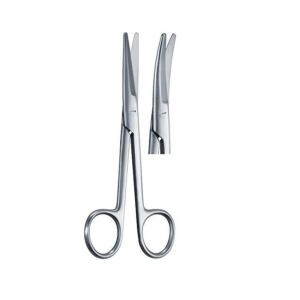
Operating Scissor, Straight, Sharp/Blunt
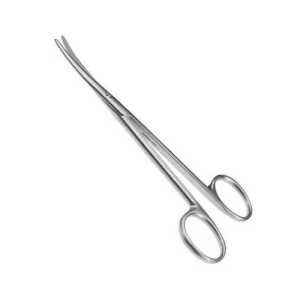
The Operating Scissor, Straight, Sharp/Blunt is a versatile surgical cutting instrument designed for precise dissection and controlled cutting of soft tissue and suture material in a wide range of procedures. Its straight blades support accurate line-of-sight cutting on flat or superficial planes, while the mixed tip configuration—one sharp tip and one blunt tip—helps clinicians initiate an incision cleanly and then continue dissection with reduced risk of unintended puncture or tissue trauma.
Commonly used in general surgery, emergency care, outpatient procedures, and surgical tray setups, this scissor is suited for tasks such as trimming tissue, cutting sutures, shaping dressings, and assisting with blunt dissection along natural tissue planes. The sharp tip assists with starting cuts in fibrous tissue or dense fascia, while the blunt tip is intended to slide against underlying structures more safely, helping protect vessels, nerves, or delicate tissue during controlled advancement.
Design and Handling
Built around a classic finger-ring handle, the instrument promotes stable control and tactile feedback. The straight blade geometry supports consistent cutting force across the blade length. A well-aligned hinge joint helps maintain smooth action and reliable blade contact, contributing to clean cuts and reduced snagging. The overall profile is intended to balance precision with efficiency during repetitive use in the sterile field.
- Straight blades for accurate, linear cutting and predictable tip placement
- Sharp/blunt tips to combine easy tissue entry with safer dissection near sensitive structures
- Finger-ring handle for secure grip, controlled pressure, and ambidextrous handling
- Precision-aligned joint to support smooth opening/closing and consistent cutting performance
Materials and Reprocessing
The Operating Scissor is typically manufactured from surgical-grade stainless steel to provide corrosion resistance, strength, and durability under routine clinical use. It is designed for standard instrument reprocessing, including cleaning, inspection, and sterilization according to facility protocol. Proper rinsing and thorough drying after cleaning help preserve the finish and joint performance. Sterilize using validated methods commonly employed for stainless steel surgical instruments (for example, steam sterilization/autoclaving per institutional guidelines).
- Clean promptly after use to prevent bioburden from drying on the blades and joint.
- Inspect tips and cutting edges for alignment, nicks, or loss of sharpness.
- Check joint action for smooth motion and proper blade contact.
- Sterilize and store in a manner that protects tips from impact and preserves alignment.
Typical Specifications
| Feature | Description |
|---|---|
| Instrument type | Operating scissor |
| Blade profile | Straight |
| Tip configuration | One sharp tip / one blunt tip |
| Primary use | Soft tissue dissection and cutting; suture cutting |
| Material | Surgical-grade stainless steel |
| Sterilization compatibility | Reusable; compatible with standard sterilization protocols for stainless steel instruments |
This straight operating scissor with sharp/blunt tips is an essential, multipurpose choice for clinicians who need dependable cutting performance with an added margin of safety during dissection. For selection, match the length and blade size to the procedure, patient anatomy, and tray standards, and follow your facility’s instrument care guidelines to maintain optimal performance over time.